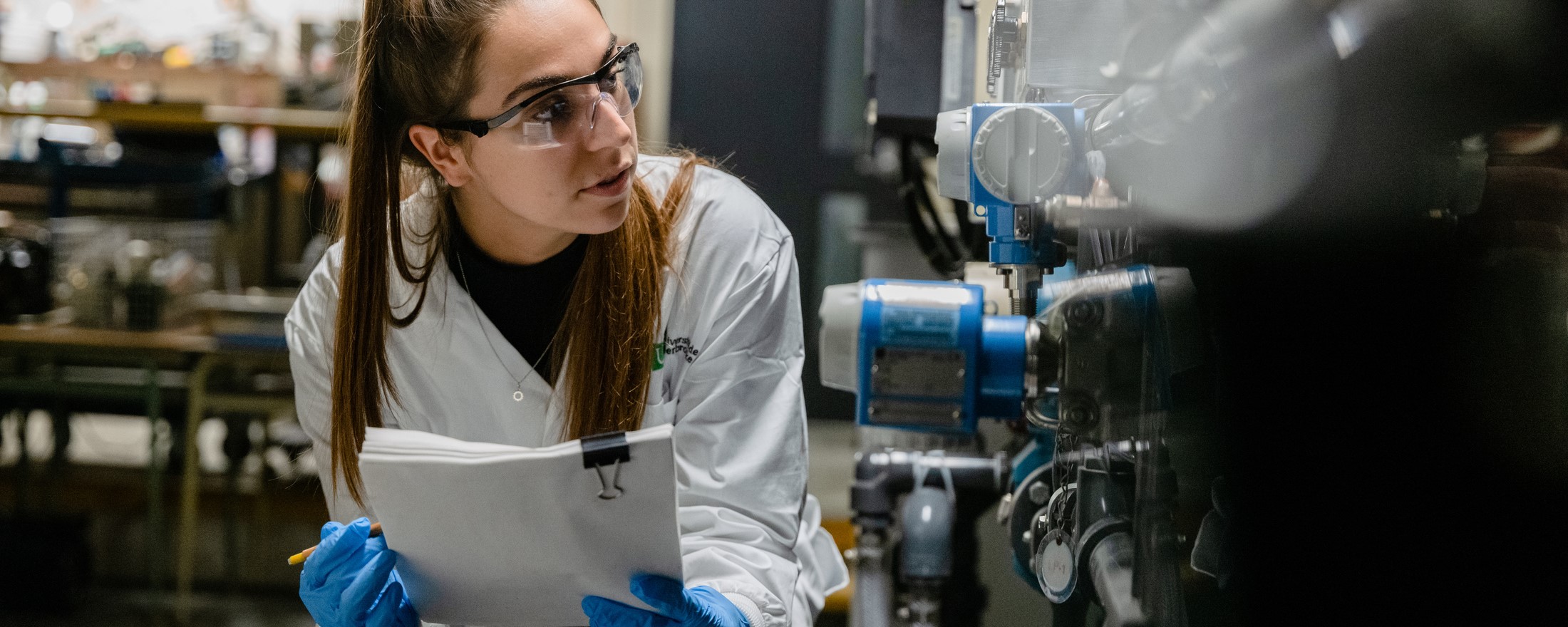
Canada Research Chair in Electroactive Materials for Energy Harvesting and Sensors
Researchers are increasingly interested in flat, thin, two-dimensional materials—like graphene, transition metal dichalcogenides, and MXenes (which are made from carbides and nitrides of transition metals) — because of their potential applications in optics, electronics and sensors. However, there are still challenges when it comes to controlling their structure, defects and the number of layers during the process of making them.
As Canada Research Chair in Electroactive Materials for Energy Harvesting and Sensors, Professor Mohamed Siaj is studying how two-dimensional materials are synthesized at the molecular level. He and his research team are especially interested in using them as electrodes to help split water into hydrogen and oxygen, and for sensing purposes.
Chairholder
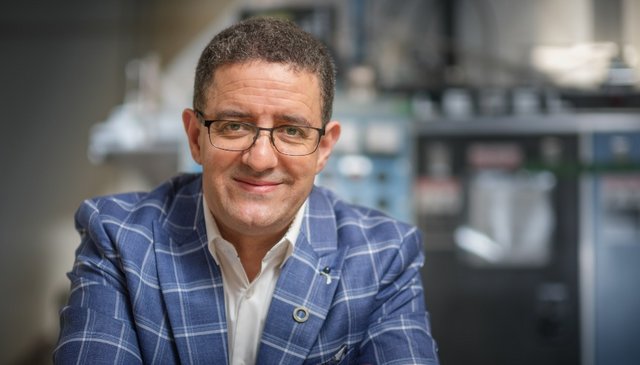
Mohamed Siaj
Profile
Mohamed Siaj is a professor in the Department of Chemical and Biotechnological Engineering of the Faculty of Engineering of the Université de Sherbrooke.
Research Relevance
If successful, Professor Mohamed Siaj’s work could have significant implications for various technologies and stands to position Canada as a leader in sustainable nanotechnology-based two-dimensional materials.
Funding
- Canada Research Chairs Program
- Natural Sciences and Engineering Research Council
Additional Information
- Tier Chair - 2024-09-01