The Faces of IRCUS: Meet Fjolla Rexhepi
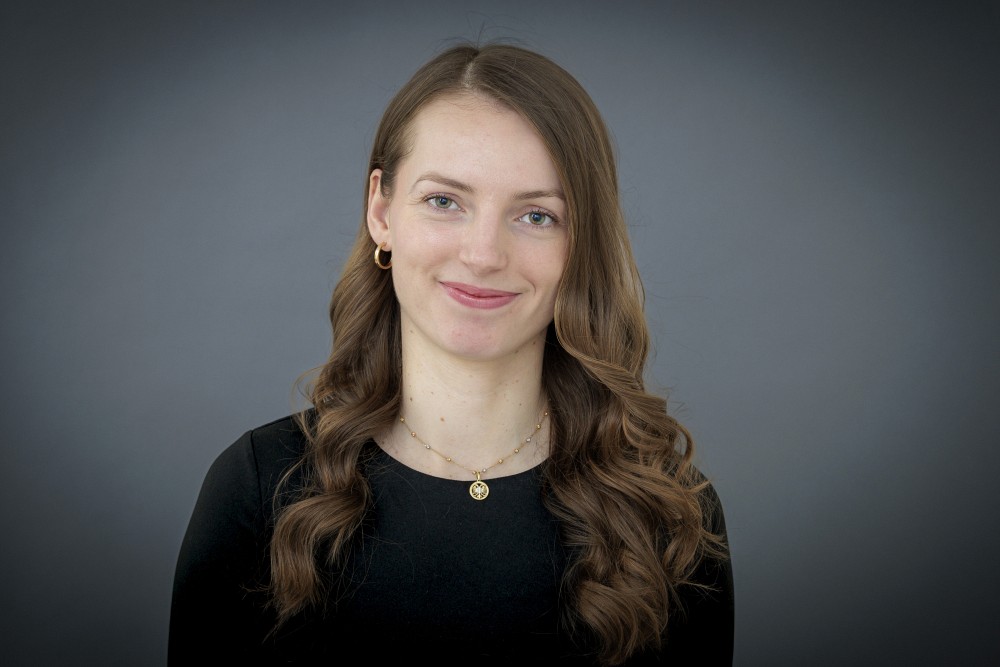
Photo : Mathieu Lanthier - UdeS
In 2026, the Université de Sherbrooke Cancer Research Institute (IRCUS) is celebrating its 5th anniversary by highlighting the richness and commitment of its community. Throughout The Faces of IRCUS series, you will meet the people who are helping to transform hope into tangible progress for people affected by cancer.
Today, meet Fjolla Rexhepi, a doctoral student at IRCUS and an active member of the IRCUS Scientific and Social Activities Committee (CASSI).
Fjolla Rexhepi completed her undergraduate and master’s studies in cellular and molecular biology with a specialization in immunology as part of an international program at Université Grenoble Alpes in France.
What led you to your current role at IRCUS, and what does your work involve today?
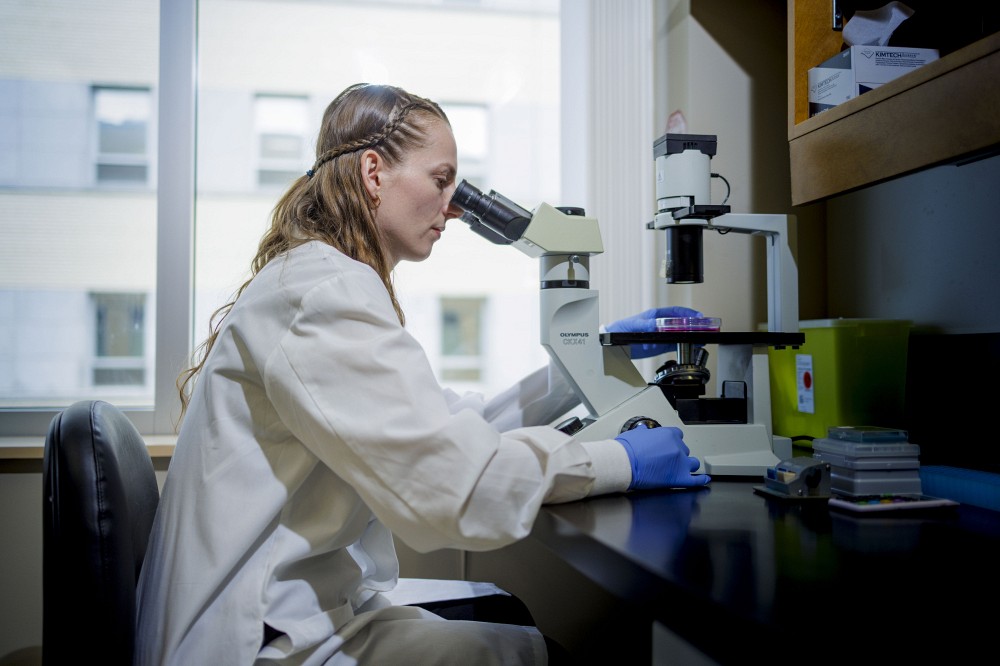
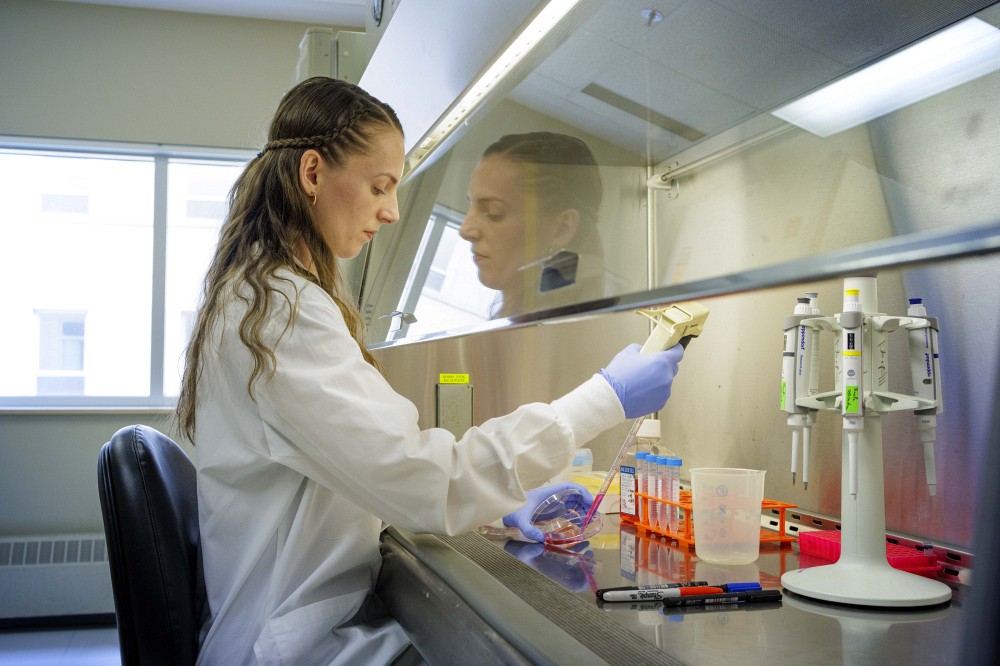
I came to the Université de Sherbrooke to pursue a PhD in the laboratory of Sheela Ramanathan, Professor and Researcher at IRCUS in the Department of Immunology and Cell Biology within the Faculty of Medicine and Health Sciences. I am interested in the role of interleukin‑15 in tumour immunosurveillance, with the goal of better understanding antitumour defence mechanisms and contributing to the development of immunotherapy strategies for patients.
What role have you played since IRCUS was founded?
I quickly got involved as a co‑organizer and volunteer for several IRCUS events to create enriching opportunities for exchange between researchers, students, and members of the community. I have been a member of the IRCUS Scientific and Social Activities Committee (CASSI) since 2025 and have actively helped organize and lead activities to build connections and create a motivating scientific environment.
What motivated you to get involved with IRCUS?
What motivated me to get involved at IRCUS was the desire to bring new energy to the Institute, strengthen interaction and cohesion among its members, and support its local, national, and international visibility while fully embracing a meaningful commitment to humanity and science.
What event or person at IRCUS has made a significant impact on you?
My most memorable experience at IRCUS was the butterfly release ceremony for Safia LeBlanc, which was attended by her family. Safia had an extremely rare and still poorly understood pediatric cancer. This moment, which was deeply emotional, conveyed a powerful message of hope: that research will tirelessly advance to transform today’s pain into tomorrow’s hope and cures.
Can you tell us a touching or memorable anecdote from your time at IRCUS?
At an IRCUS open house event for people affected by cancer, a participant told me that simply seeing researchers who were so passionate and committed reassured him and gave him new hope. This brief interaction moved me deeply and reminded me how much our research can have a real and direct impact on the lives of people affected by cancer.
How do you see IRCUS evolving over the next five years?
Over the next five years, I see IRCUS becoming an even stronger and more widely recognized hub that fosters interdisciplinary and translational collaborations. I also envision an institute increasingly committed to training the next generation, to sharing knowledge, and to strengthening connections between research, clinical practice, and society to create a lasting concrete impact.
What has IRCUS let you express, experience or build?
IRCUS has allowed me to express my commitment to both science and humanity, to actively participate in the life of the community, and to build strong connections while working on an impactful, concrete cancer research project that fully reflects the meaning of our work for patients.
Which achievement related to your work at IRCUS would make you the proudest?
I am already proudest of the events and initiatives that I helped create to bring researchers closer to the community, while advancing essential knowledge about cancer that may guide the development of new treatments, and keeping people at the heart of our research.
The 5th anniversary of IRCUS is not only a time to look back on the path we have taken but also the beginning of a new chapter in which researchers, the community, and partners come together to transform the future of cancer. Together, let’s keep building a world where every discovery brings us closer to a cure and every act of support helps save lives.
To stay up to date with this inspiring year of celebrations, follow IRCUS on:
LinkedIn, Facebook and YouTube.