The Faces of IRCUS: Meet Dr. Sameh Geha
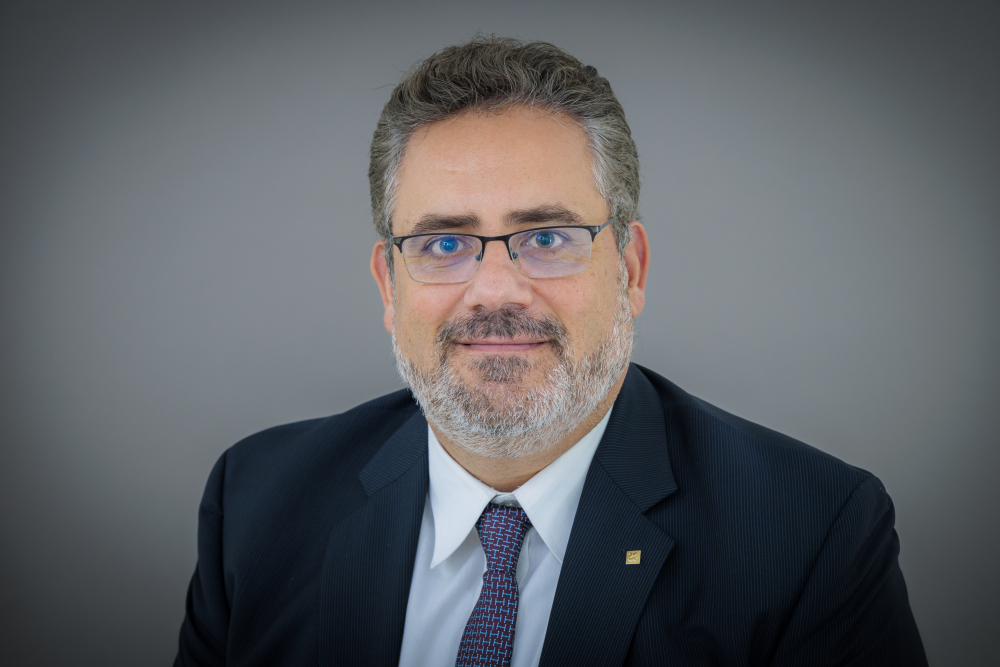
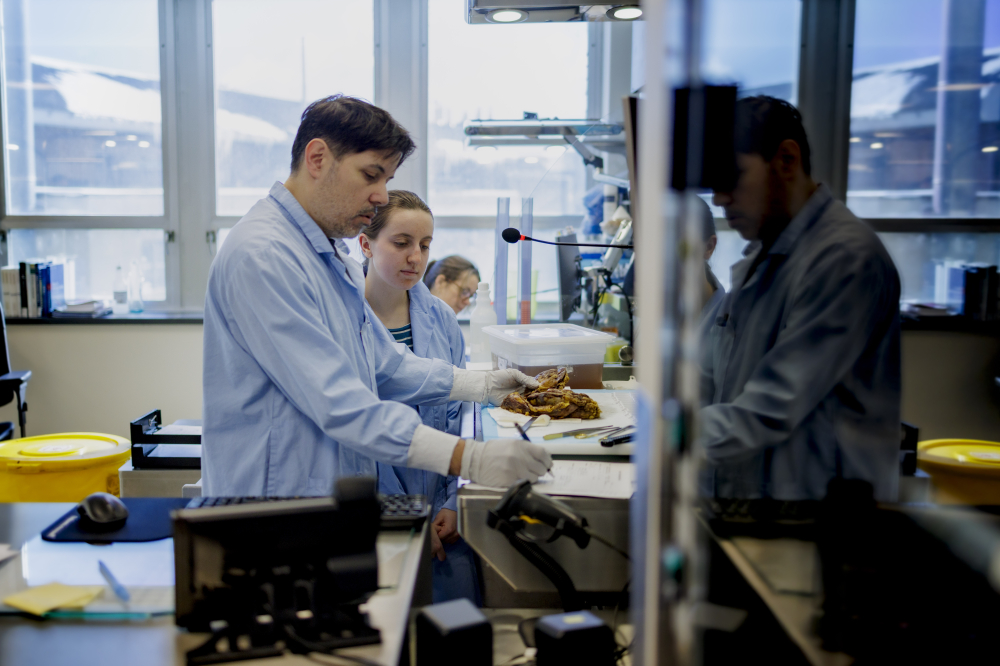
Photo : Mathieu Lanthier - UdeS
In 2026, the Université de Sherbrooke Cancer Research Institute (IRCUS) is celebrating its 5ᵗʰ anniversary by highlighting the richness and commitment of its community. Throughout The Faces of IRCUS portrait series, you will meet the people who help transform hope into tangible progress for people affected by cancer.
Today, meet Dr. Sameh Geha, Professor and Researcher at IRCUS, Member of the IRCUS Executive Committee, and Anatomical Pathologist at the CIUSSS de l’Estrie-CHUS.
After completing his medical and pathology training at Saint Joseph University of Beirut in Lebanon and later at Paris V and Paris VI universities in France, Dr. Sameh Geha earned several specialized degrees in oncologic and renal pathology as well as neuropathology. Since 2018, he has served as Director of the Department of Pathology in the Université de Sherbrooke’s Faculty of Medicine and Health Sciences and as Medical Chief of the Pathology Laboratory at the CIUSSS de l’Estrie–CHUS. In June 2025, he was also promoted to the rank of full professor.
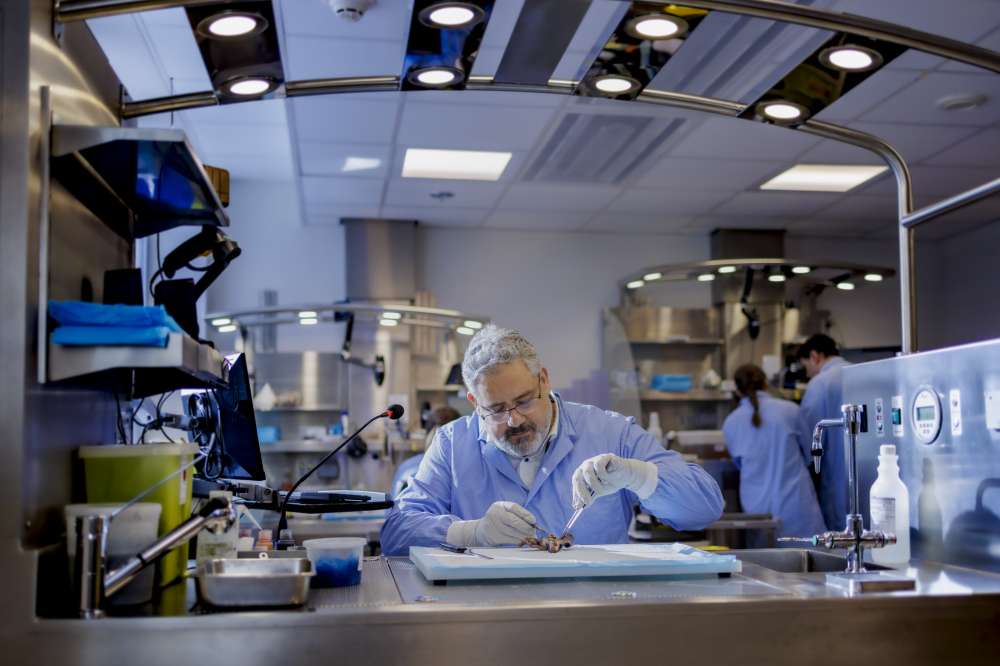
What led you to your current role at IRCUS, and what does your work involve today?
My commitment to oncologic pathology and translational research naturally led me to become involved with IRCUS. I am currently a member of the IRCUS Executive Committee.
What role have you played since IRCUS was founded?
Since IRCUS was founded, I have contributed my pathology expertise to basic researchers, taken part in research brainstorming meetings, participated in collaborative oncology projects, and helped establish the biobank at the CHUS Research Centre. Since 2023, I have lent strategic support to the Executive Committee for the Institute’s initiatives.
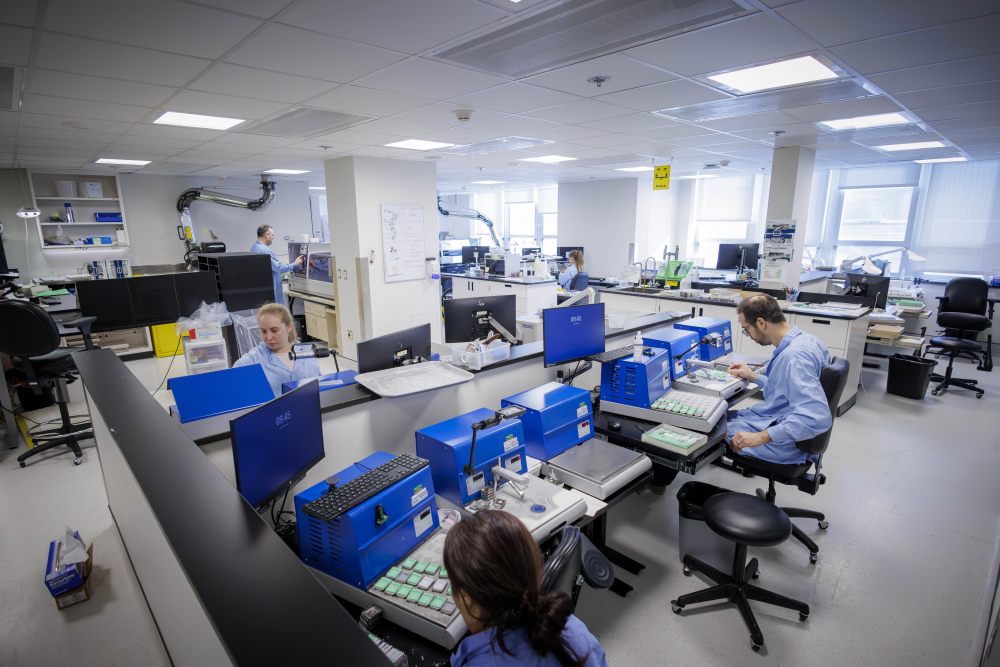
What motivated you to get involved with IRCUS?
My motivation comes from my long-standing commitment to oncologic pathology and my desire to place pathology at the heart of advances in cancer research. IRCUS offers a unique collaborative environment where I can contribute to innovative projects and support the Institute’s scientific mission.
What event or person at IRCUS has made a significant impact on you?
What has marked me most at IRCUS is working alongside colleagues and members of the Executive Committee — some of whom have themselves faced cancer — who are driven by a sincere passion and a deep desire to help patients. Their commitment has been a profound source of inspiration for me.
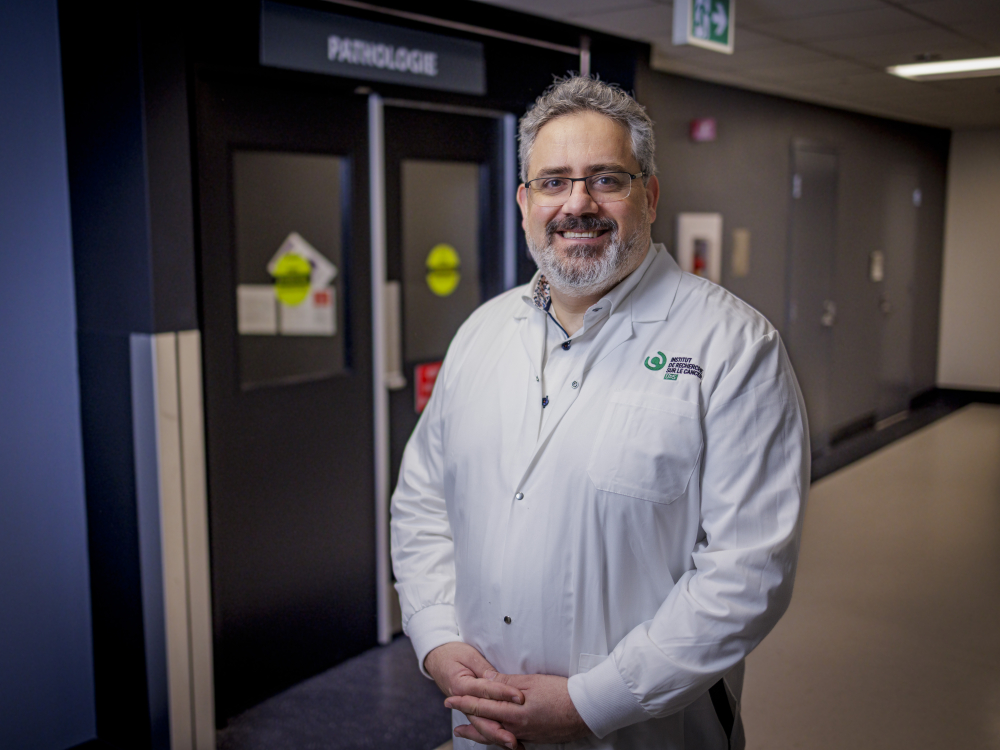
Can you tell us a touching or memorable anecdote from your time at IRCUS?
A particularly touching moment for me was hearing patients sharing their stories about their fight against cancer during the Cyclo‑Walk Sherbrooke Classic fundraising event. Their courage, clarity, and trust in research have strengthened my support for IRCUS.
How do you see IRCUS evolving over the next five years?
Over the next five years, I see IRCUS strengthening its position as a leading translational research centre while building strategic partnerships with other Canadian and international institutes. This collaborative openness will strengthen innovation and sustainably support progress in cancer research.
What has IRCUS let you express, experience or build?
IRCUS has allowed me to engage in interdisciplinary projects, supervise master’s and doctoral students, and actively contribute to the Institute’s scientific development. It has also sparked the curiosity of many of my pathology colleagues, who increasingly want to take part in our research projects.
Which achievement related to your work at IRCUS would make you the proudest?
I would be especially proud to help turn the biobank, which I have been contributing to for several years, into a tool that fosters lasting collaborations between pathologists and researchers, and into a true driver of major advances in translational research.