Micro/Nanoengineered Photonic-MEMS Platforms for Precision Oncology
Project description
Research themes : Micro/nanotechnologies for biomedical applications, Integrated photonics and microelectromechanical systems (MEMS), Optical biosensors, Precision oncology and point-of-care diagnostics
This research project aims to develop miniaturized photonic microelectromechanical systems (photonic-MEMS) for sensitive cancer biomarker detection and assessment of treatment responses. By combining micro/nanofabrication, optical sensing, and biofunctionalized interfaces, the project seeks to support precision oncology through compact platforms that characterize cancer-related biological changes.
The research will investigate micro/nanoengineered structures that translate biomolecular interactions into measurable optical or mechanical signals. Surface functionalization will enable selective recognition of cancer-associated targets, while microfluidic integration will facilitate controlled sample delivery and reduce sample consumption. Device design and experimental characterization will focus on improving sensitivity, selectivity, reproducibility, and operation in complex biological samples. Selected platforms will be evaluated for applications such as quantifying cancer-associated biomarkers or monitoring cellular responses to anticancer treatments. Computational analysis will support signal interpretation and identification of response patterns. Performance will be assessed against established laboratory methods using samples and experimental models appropriate to each application.
The anticipated outcomes include prototype sensing platforms, validated fabrication and functionalization methods, and a clearer understanding of the relationships between device architecture and biosensing performance. This work will lay the groundwork for biomedical tools that could contribute to cancer monitoring and individualized treatment assessment.
Student's role in the project
- PhD students: Lead the design, micro/nanofabrication, and validation of photonic-MEMS biosensors for cancer biomarker detection and treatment monitoring. Responsibilities include experimental planning, data analysis, collaboration with biomedical partners, and publication of results, with opportunities to develop research leadership and interdisciplinary expertise.
- Master’s students: Contribute to device simulation, fabrication, surface functionalization, or optical characterization within a defined research objective. Responsibilities include conducting experiments, analyzing data, and documenting results, while developing practical skills in photonics, MEMS, and biomedical sensing.
- Postdoctoral fellows: Lead the development and biomedical validation of photonic-MEMS sensing platforms, coordinate research with clinical and engineering partners, and mentor graduate students. Responsibilities include experimental design, data interpretation, publications, and contributions to funding proposals, with opportunities to strengthen research leadership and project management skills.
Research supervisor
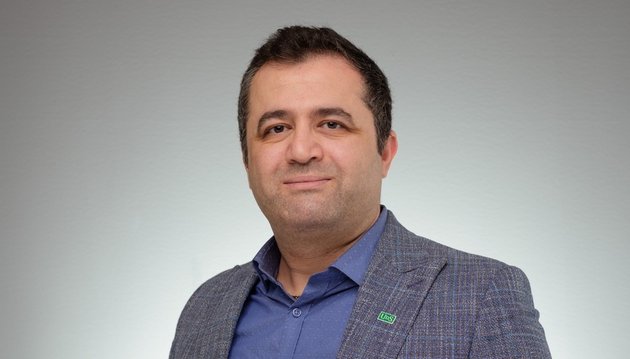
Kian Jafari, Professor, Faculty of Engineering
Sought Candidates
Study levels: Master's, Doctoral, and Postdoctoral
Start terms: Winter 2027, Summer 2027, or Fall 2027
Required skills :
- Background in electrical or mechanical engineering, physics, biomedical engineering, or a related field.
- Foundational knowledge of MEMS, micro/nanofabrication, photonics, or biosensors.
- Skills in design, data analysis, and scientific programming using MATLAB, or equivalent tools.
- Strong analytical abilities, scientific communication skills, and capacity for interdisciplinary teamwork
Requirements will be adapted to the position: master’s, PhD, or postdoctoral level.
Assets :
Cleanroom experience, optical characterization, or surface functionalization would be an asset.
Primary project location
Institut interdisciplinaire d'innovation technologique (3IT)
Project affiliation unit : Faculty of Engineering, Université de Sherbrooke
Available funding
Scholarship funding. Annual funding: $25,000 for a research-based master's degree, $30,000 for a doctoral degree, and $50,000 for a postdoctoral fellowship.
Key project benefits
- Access to specialized micro/nanofabrication and characterization equipment at 3IT.
- Opportunities to collaborate with research teams in the United Kingdom, France and Taiwan.
- Work alongside engineers, clinicians, and Faculty of Medicine researchers.
- Contribute to biomedical sensing technologies with opportunities for commercialization and clinical translation.
Why apply for this project?
This project offers the opportunity to develop biomedical technologies for precision oncology by combining photonics, MEMS, and micro/nanoengineering. With access to advanced facilities at 3IT and collaborations with clinicians and international partners, participants will build interdisciplinary expertise while contributing to innovations with potential for clinical translation and technology transfer.
Research environment
The successful candidate will join a multidisciplinary research team at the Interdisciplinary Institute for Technological Innovation (3IT), Université de Sherbrooke. The research environment includes 850 m² of cleanroom facilities and specialized equipment for micro/nanofabrication, device characterization, and photonic-MEMS development. Our collaborative culture encourages scientific curiosity, hands-on experimentation, autonomy, and knowledge sharing. Team members benefit from interactions with researchers in engineering, biology, and medicine, as well as clinicians and international partners. This environment offers opportunities to develop interdisciplinary expertise, contribute to publications, and explore technology transfer and the clinical translation of biomedical sensing platforms.
Student testimonial
Working on photonic-MEMS biosensors at 3IT has helped me develop hands-on microfabrication skills in a supportive, multidisciplinary team. Access to advanced cleanroom facilities and collaboration with biomedical researchers have shown me how engineering can contribute to cancer research.